
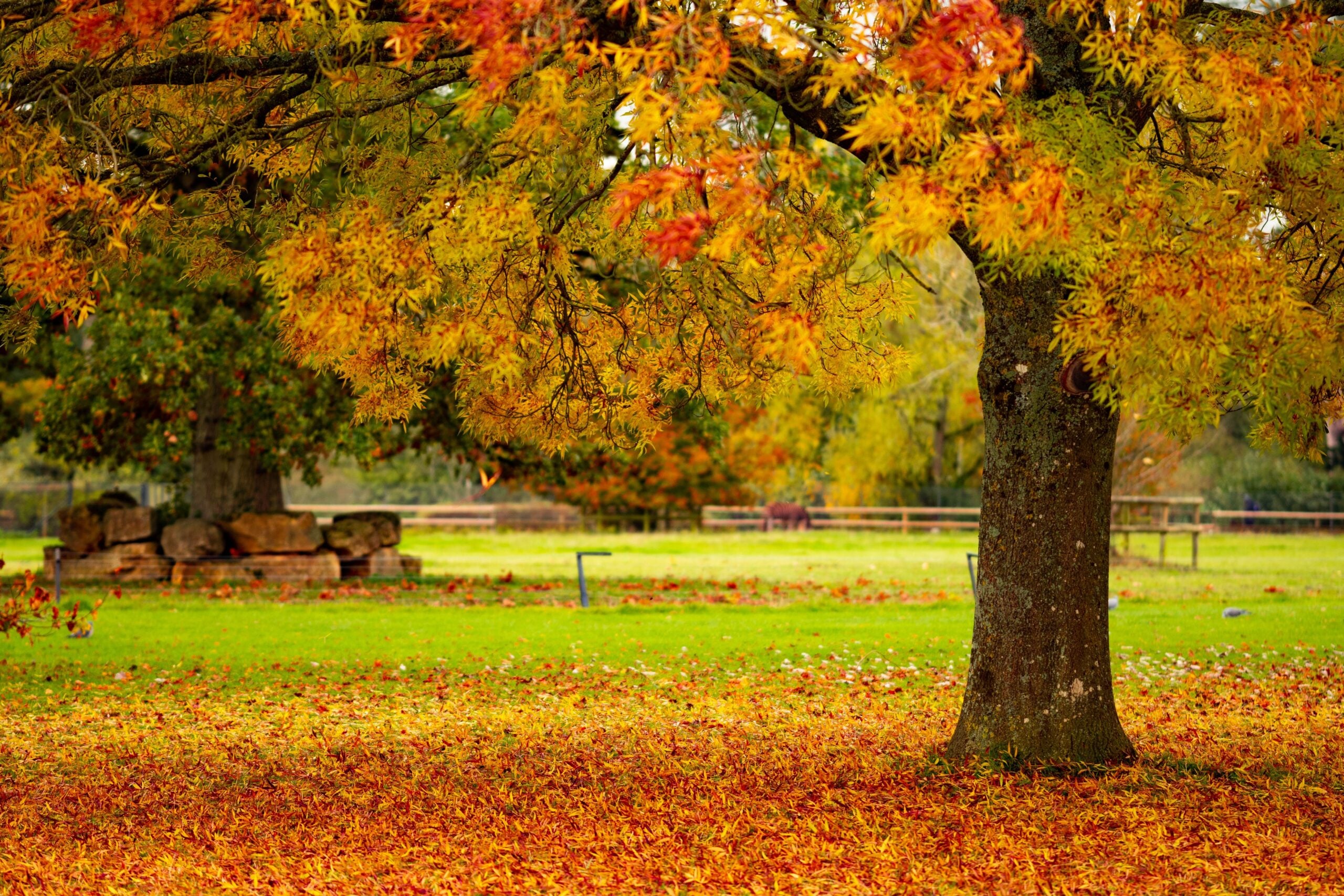
Fall tree maintenance is the homeowner’s best chance of the year to set trees up for a healthy winter — and much of it is simple, satisfying work you can do yourself over a weekend. As the leaves come down across Connecticut, a handful of well-timed tasks protect your trees from cold, storms, and pests while giving them a head start on spring. Here are eight practical tips to work through this season, along with a clear sense of when it’s time to call in a professional.
Why Fall Tree Maintenance Is Worth the Effort
Autumn is a turning point for trees. They’re winding down for dormancy, the ground is still workable, and winter’s stresses haven’t hit yet — which makes it the ideal moment to act. A little fall tree maintenance now prevents the expensive problems that show up later: storm-damaged limbs, winter-killed roots, pest infestations, and struggling young trees. Think of these tips as an insurance policy that costs you an afternoon and pays off all winter long. For the bigger-picture strategy behind these tasks, our overview of Connecticut fall tree care ties it all together.
1. Rake and Remove Fallen Leaves and Debris
Clearing fallen leaves isn’t just tidiness. Damp leaf litter piled around trunks and garden beds traps moisture and harbors fungal diseases and pests over winter, some of which reinfect your trees in spring. Rake up leaves, especially from beneath any tree that showed signs of disease this year, and dispose of diseased material rather than composting it near your trees.
2. Add a Fresh Layer of Mulch
Mulch is the quiet hero of fall tree maintenance. A two-to-four-inch layer of organic mulch over the root zone insulates roots against the freeze-thaw cycle, retains moisture, and suppresses weeds. Spread it in a wide ring out toward the drip line, but keep it a few inches away from the trunk — mulch piled against the bark traps moisture and invites rot and rodents.
3. Water Deeply Until the Ground Freezes
Don’t put the hose away too early. Roots keep growing and drawing moisture right up until the ground freezes solid, and a well-hydrated tree handles winter far better than a dry one. Give your trees a deep, slow soak during dry fall spells, paying special attention to evergreens, which lose water through their needles all winter long.
4. Prune Dead and Hazardous Limbs
Removing dead, cracked, or weakly attached branches is the most valuable safety task on this list, because those limbs are the first to fail under snow and ice. Small, reachable deadwood is something many homeowners can handle, but anything high, large, or near power lines is a job for a professional. Fall is also the right window to prune disease-prone trees like oaks and elms — our guide on fall tree trimming covers exactly which trees to cut in October and which to leave.
5. Inspect Trees for Problems
Take a slow walk around each tree while the structure is visible. Look for cracks in the trunk, dead branches, fungus or mushrooms at the base, leaning, and cavities or soft spots. Catching these signs now means you can address them before winter turns a weakness into a failure. If anything looks off, a tree health and disease assessment gets you a clear answer.
6. Protect Young and Newly Planted Trees
Young trees need extra help through their first few winters. Wrap thin-barked trunks against frost cracks and sunscald, guard the base against hungry rodents and deer, and keep them well watered and mulched. Our dedicated guide on protecting young trees before the first freeze walks through each step in detail — it’s an essential part of fall tree maintenance for anything planted in the last couple of years.
7. Hold Off on Fertilizing and Heavy Pruning
Some tasks are best left for another season, and knowing what not to do is as much a part of fall tree maintenance as the active tasks. Avoid fertilizing late in fall and skip heavy structural pruning — both can push out tender new growth that won’t harden before frost and simply gets killed back. Stick to removing dead and damaged wood, and save major feeding and reshaping for the proper time.
8. Plant New Trees While You Can
Fall’s cool air and warm soil make it a prime planting window, so if you’ve been meaning to add a tree, now is the time. Getting it in the ground about six weeks before the first hard freeze lets the roots establish before winter. See our guide to fall tree planting for the best species to choose, and consider professional tree planting to make sure it’s set up to thrive.
When to Call a Professional
Plenty of fall tree maintenance is genuinely DIY — raking, mulching, watering, small deadwood, and young-tree protection. But some jobs aren’t worth the risk. Large or high branches, anything near power lines, big trees, chainsaw work at height, and any tree you suspect is diseased or structurally unsound all call for a professional with the right equipment and training. Knowing where that line is keeps you safe and your trees healthy — and an arborist consultation is a low-cost way to get expert eyes on anything you’re unsure about.
Get Expert Fall Tree Maintenance From Erick’s Tree Service
Whether you want the reachable tasks handled for you or need the jobs that are too big or too risky to tackle yourself, Erick’s Tree Service has your trees covered across Connecticut — pruning, planting, health checks, storm prep, and removals, all done safely and on time.
Ready to get your trees winter-ready? Contact us or call (203) 747-8536 for a free inspection with no call-out fee.
Erick’s Tree Service — safe, reliable, professional tree trimming, planting, removal, stump grinding, and emergency storm cleanup for residential and commercial properties in Connecticut.