
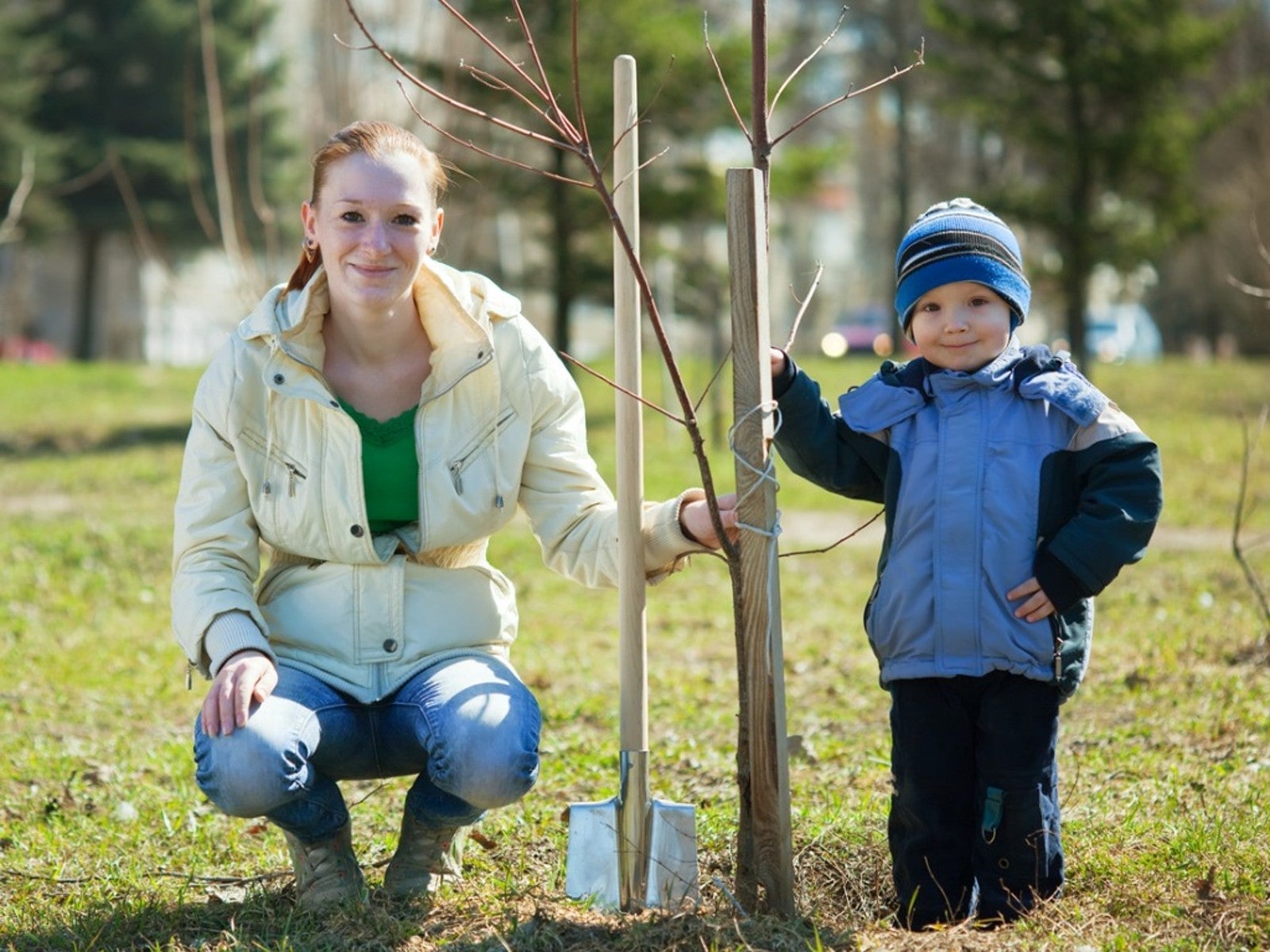
Fall tree planting is one of the best-kept secrets in landscaping — October’s cool air and still-warm soil create nearly ideal conditions for a young tree to build roots before winter, giving it a real head start on spring. Many homeowners assume spring is the only time to plant, but for most trees, autumn is actually the smarter choice in Connecticut. Here’s why October works so well, and the seven trees that take to fall planting best.
Why Fall Tree Planting Beats Spring
The logic is all underground. In October the air has cooled, which means a newly planted tree isn’t wasting energy pushing out leaves or fighting summer heat — instead it channels everything into root growth. The soil, meanwhile, stays warm from summer well into autumn, and roots keep growing until the ground freezes. Add Connecticut’s reliable fall rainfall and less transplant stress overall, and a fall-planted tree often enters spring with an established root system, ready to surge into new growth. Good fall tree planting essentially buys your tree an extra season of establishment. The main rule of thumb: get trees in the ground about six weeks before the first hard frost so roots have time to settle.
1. Maple
Maples are a classic fall tree planting choice and a Connecticut favorite for good reason — brilliant autumn color, fast establishment, and excellent shade. They’re hardy, adaptable, and transplant well in cool weather, making them one of the most reliable trees to put in the ground in October.
2. Oak
Oaks are long-lived, majestic shade trees that reward patience. Planted in fall, they use the cool season to establish roots before the demands of spring. They prefer well-drained soil and, once established, become one of the strongest and most storm-resistant trees on any property.
3. Elm
Modern disease-resistant elm varieties make excellent street and yard trees, offering a broad, graceful canopy and quick growth. Fall tree planting suits them well, letting them settle in before the growing season so they leaf out strongly come spring.
4. Linden
Lindens are tidy, reliable shade trees with fragrant early-summer flowers that pollinators love. They handle a range of soils, establish well from a fall planting, and keep a naturally attractive shape with minimal fuss — a great low-maintenance choice.
5. Serviceberry
For smaller yards, serviceberry is hard to beat. This native small tree delivers spring flowers, edible summer berries, and standout fall color, all on a compact frame that fits tight spaces. It’s an ideal option when you want four-season interest without a large shade tree.
6. Crabapple
Ornamental crabapples bring spring blossom and colorful fall fruit that feeds birds through winter. They’re widely adapted and make a strong focal point in a smaller landscape. Choose a disease-resistant variety and October planting gives it time to root before its spring show.
7. Evergreens (Spruce, Pine, and Fir)
Evergreens are excellent for early-fall planting, ideally before mid-autumn so roots establish while the soil is still warm. They provide year-round color, windbreaks, and privacy — and pair naturally with the privacy screening trees many homeowners want. Get them in earlier in the season rather than late, as they need a bit more time to settle before frost.
Trees to Plant in Spring Instead
Fall tree planting isn’t right for everything. A few trees establish better when planted in spring, because they’re slower to root or more sensitive to winter cold in their first season. Birch, dogwood, magnolia, and many fruit trees generally prefer spring planting, as do most broadleaf evergreens like holly. If one of these is on your wish list, it’s worth waiting for spring rather than risking a fall planting that struggles through the first winter. When in doubt about a specific species, an arborist consultation will point you the right way.
Giving Your Fall-Planted Tree the Best Start
Planting is only half the job — the first weeks matter enormously. Water deeply at planting and keep the soil moist until the ground freezes, since roots are still growing even as the leaves drop. A layer of mulch around the base (not against the trunk) insulates the roots and holds moisture. Proper planting depth and placement are just as important, which is where professional tree planting pays off — a tree set at the wrong depth or in the wrong spot struggles for years. For the ongoing care that follows, our guide on caring for newly planted trees covers the critical first two years.
Plant This Fall With Erick’s Tree Service
October is a narrow, valuable window — plant now and your tree spends the whole cool season building the roots it needs to thrive next year. The key to successful fall tree planting is choosing the right species for your space and getting it in the ground correctly and on time.
Erick’s Tree Service helps Connecticut homeowners select and professionally plant the right trees for their property, from shade trees to privacy evergreens. To make the most of the fall planting season, contact us or call (203) 514-4967 for a free consultation with no call-out fee.
Erick’s Tree Service — safe, reliable, professional tree planting, trimming, removal, stump grinding, and emergency storm cleanup for residential and commercial properties in Connecticut.