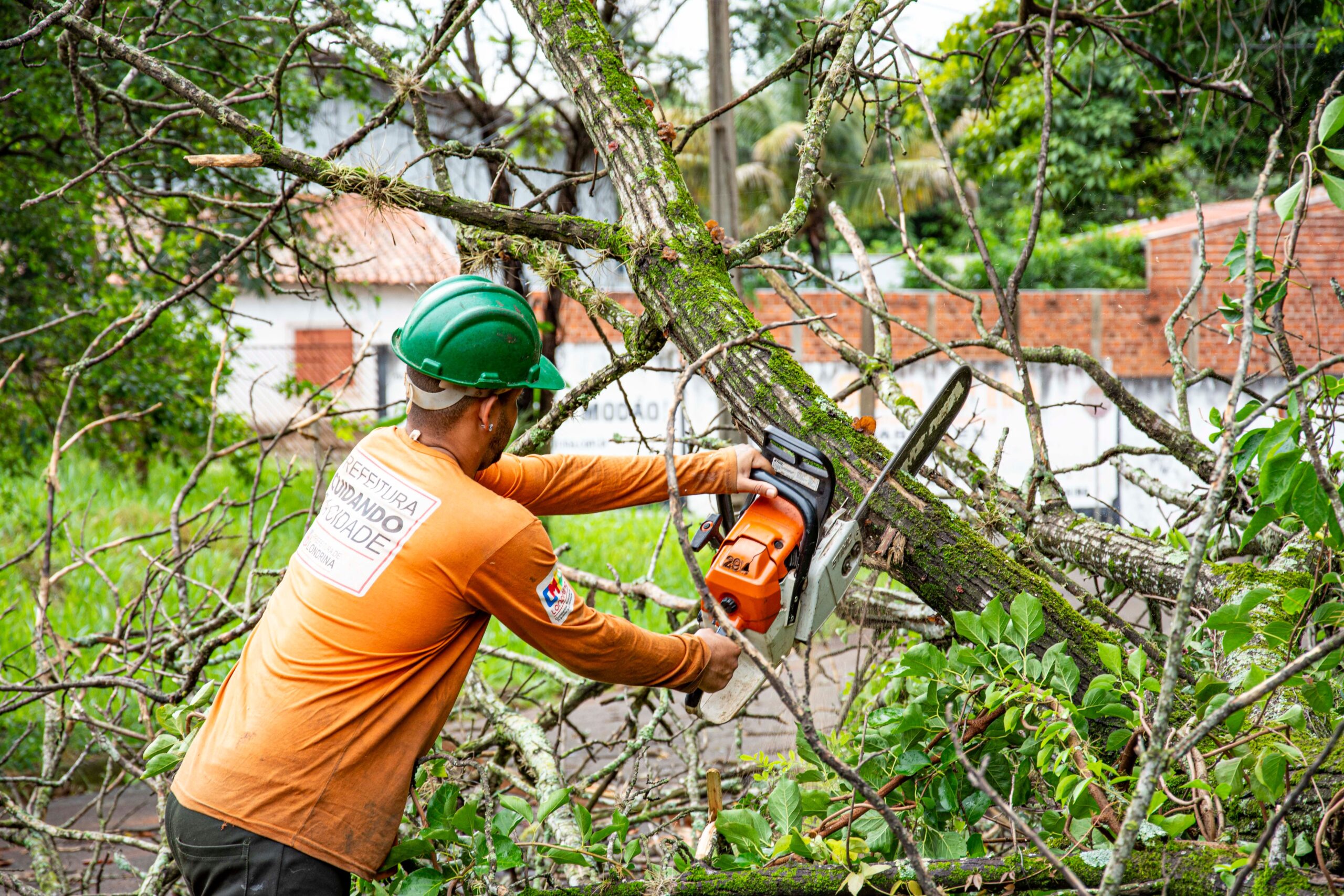
Hiring an insured tree service is not a preference — it is the only responsible choice when work is being done on trees near your home, vehicles, utility lines, or neighboring properties. Tree work is consistently ranked among the most dangerous occupations in the United States by the Bureau of Labor Statistics. When something goes wrong — a limb falls on a roof, a worker is injured on your property, a neighbor’s fence is damaged — the question of who carries insurance determines who pays. In Connecticut, that answer can mean the difference between a clean claim and a five-figure personal liability.
This guide covers exactly what insurance a legitimate tree service should carry, what happens when you hire one that does not, and what to verify before any crew sets foot on your property.
What Insurance an Insured Tree Service Must Carry
Before getting into why insurance matters, it helps to understand what proper coverage actually looks like. A legitimate, insured tree service in Connecticut should carry two distinct types of insurance — and both matter.
General Liability Insurance
General liability insurance covers property damage caused during the job. If a tree limb falls on your roof, a truck backs into your fence, or a section of trunk damages a neighboring structure, general liability is what pays for the repair. Without it, the homeowner is left pursuing the contractor in civil court — an expensive, time-consuming process with no guaranteed outcome.
For residential tree work in Connecticut, reputable companies carry a minimum of $1,000,000 per occurrence in general liability coverage. Larger commercial operations and companies performing crane-assisted or hazardous removal work often carry $2,000,000 or more. Ask for a certificate of insurance — not just verbal confirmation — before work begins.
Workers’ Compensation Insurance
Workers’ compensation is the coverage that protects you as the property owner if a worker is injured on your property. This is the insurance most homeowners do not think to ask about, and it is the one that creates the most significant personal liability when it is absent.
Under Connecticut law, if an uninsured worker is injured on your property, you may be held liable for their medical costs, lost wages, and potentially long-term disability claims. Tree work involves chainsaws, chippers, climbing equipment, and heavy falling material. Injuries are not hypothetical. If the crew performing work on your property does not have workers’ compensation coverage, your homeowner’s insurance becomes the backstop — and your homeowner’s insurer will not be pleased about it.
1. An Insured Tree Service Protects You From Property Damage Liability
Tree work creates risk for property on three sides: your own home and structures, neighboring properties, and vehicles or equipment in the work zone. A branch that lands wrong, a trunk section that rolls unexpectedly, or a root system that damages a nearby retaining wall during removal — these are not rare edge cases. They are the routine risks that tree crews manage on every job.
When you hire an insured tree service, the contractor’s general liability policy covers damage that occurs during the work. When you hire an uninsured crew, you are personally absorbing that risk. Connecticut homeowner’s insurance policies cover some contractor-caused damage, but most include clauses that reduce or eliminate coverage when the homeowner knowingly hired an uninsured contractor.
Our team carries full general liability coverage on every job — from routine tree trimming and pruning to complex crane-assisted tree removal — so property owners are never in a position of absorbing risk that belongs to the contractor.
2. Workers’ Compensation Keeps Your Personal Assets Protected
This is the liability most homeowners underestimate. Connecticut is one of many states where a property owner can be held directly liable for injuries to uninsured workers on their property. The legal theory is straightforward: if you hired the contractor and the contractor has no workers’ compensation insurance, you become the responsible party for workplace injuries that occur on your land.
Tree work injuries are serious. Falls from height, chainsaw lacerations, and struck-by incidents involving logs and equipment are among the most common causes of severe and fatal occupational injuries in the country. A single injury claim without workers’ compensation coverage in place can reach hundreds of thousands of dollars in medical costs and lost wages — well beyond what a standard homeowner’s policy will cover.
Verifying workers’ compensation coverage before work begins is not optional due diligence. It is basic financial self-protection.
3. Insured Tree Services Are Accountable — Uninsured Ones Are Not
Insurance is not just about coverage — it is a signal of how a company operates. Carrying proper insurance requires a business license, a documented payroll, relationships with insurance carriers, and ongoing premium payments. It means the company exists as a legitimate business entity with something to protect.
Uninsured tree services are often operating informally — no business license, no documented employees, no fixed address. When a job goes wrong and you need to hold someone accountable, you need a legal entity to pursue. An uninsured operator working out of a pickup truck may be difficult or impossible to locate after the job is complete.
A professional arborist consultation from a licensed, insured company also carries professional credibility that informal operators cannot provide — relevant when you need documentation for an insurance claim, a property sale, or a municipal permit.
4. Proper Insurance Protects Your Neighbors and Your Relationships
Tree work rarely affects only the property where it is being performed. Limbs overhang property lines. Debris lands on neighboring lawns. Heavy equipment tracks across shared driveways. In dense Connecticut neighborhoods, the margin between a property line and a neighboring structure can be measured in feet.
When damage crosses a property line, the question of insurance coverage becomes a neighborhood dispute as well as a financial one. If you hired an insured tree service, the contractor’s liability policy responds to the neighbor’s claim directly. If you hired an uninsured crew, you are potentially the liable party — responsible for damage to property you do not own, caused by a contractor you can no longer locate.
For larger jobs involving hazardous tree removal near property lines, retaining walls, or structures that straddle boundaries, confirming insurance coverage is particularly important.
5. Insurance Compliance Is Required for Commercial and Municipal Work
If you manage a commercial property, a homeowners association, a municipality, or any institutional property in Connecticut, hiring an insured tree service is not just prudent — it is contractually and legally required in most cases. Commercial leases, property management contracts, and municipal procurement standards routinely specify minimum insurance levels as a condition of engagement.
Hiring an uninsured contractor for commercial tree work creates compliance violations that can void contracts, trigger insurance disputes, and expose property managers and owners to direct liability. Our commercial tree services are fully documented with insurance certificates available upon request — standard practice for any professional operation working in the commercial sector.
6. An Insured Tree Service Handles Storm Emergency Work Safely
Storm emergency calls are the highest-risk tree work scenario — damaged trees under tension, unstable root plates, compromised canopies, and time pressure that can push crews to work faster than conditions warrant. They are also the calls that generate the most homeowner mistakes, because desperation to get a tree off a roof or clear a driveway leads to hiring whoever shows up first.
After a major storm event, uninsured and unlicensed operators flood Connecticut markets. They target storm-damaged properties with low bids and fast availability. The risk is obvious: the most dangerous tree work is being offered by operators with the least accountability and no coverage if something goes wrong.
Our emergency tree removal and storm damage tree cleanup teams are available around the clock, fully insured, and equipped to handle high-risk post-storm conditions — including fallen tree removal from structures and vehicles. Emergency line: (203) 650-8519.
7. Insurance Protects the Value of Your Property Long-Term
A botched tree job — improper cuts that leave stubs, topping that destroys structure, root damage from heavy equipment, or a removal that damages a neighboring tree — can reduce the long-term health and value of your landscape in ways that take years to become fully apparent. When the contractor is uninsured and unreachable, you have no recourse.
Proper insurance is part of a broader professional standard. Insured tree services employ trained crews, follow ISA (International Society of Arboriculture) standards for pruning and removal, and carry the equipment necessary to do the job correctly. The insurance is not incidental to professional quality — it is one of its markers.
Maintaining healthy, well-structured trees through professional pruning, deep root fertilization, and regular health assessments protects the landscape investment that mature trees represent — but only if the work is done by professionals who stand behind it.
What to Ask Before Hiring Any Tree Service in Connecticut
Before signing any contract or allowing work to begin, request the following and verify them directly:
- Certificate of General Liability Insurance — minimum $1,000,000 per occurrence; confirm it is current and lists your property address for the duration of the work
- Certificate of Workers’ Compensation Insurance — covering all employees and subcontractors who will be on your property
- Connecticut Home Improvement Contractor License — required for most residential tree work in CT; verify at the Connecticut Department of Consumer Protection
- ISA Certified Arborist credential — confirms the company employs staff trained to professional arboricultural standards
- Written estimate and scope of work — verbal agreements are unenforceable; get the job scope, timeline, and cleanup responsibilities in writing before work begins
A legitimate, insured tree service will provide all of this without hesitation. Resistance to producing insurance documentation is itself a warning sign worth taking seriously.
Erick’s Tree Service is fully licensed and insured, carrying general liability and workers’ compensation coverage on every job we perform across Connecticut. Whether you need routine maintenance, hazardous tree removal, or emergency storm response, you can request our insurance documentation before we begin — and we will provide it without a second thought.
Contact Erick’s Tree Service to schedule a free estimate, or learn more about our tree removal services and stump grinding across Fairfield County and all of Connecticut.
Erick’s Tree Service — safe, reliable, and professional tree care for residential and commercial properties across Connecticut.