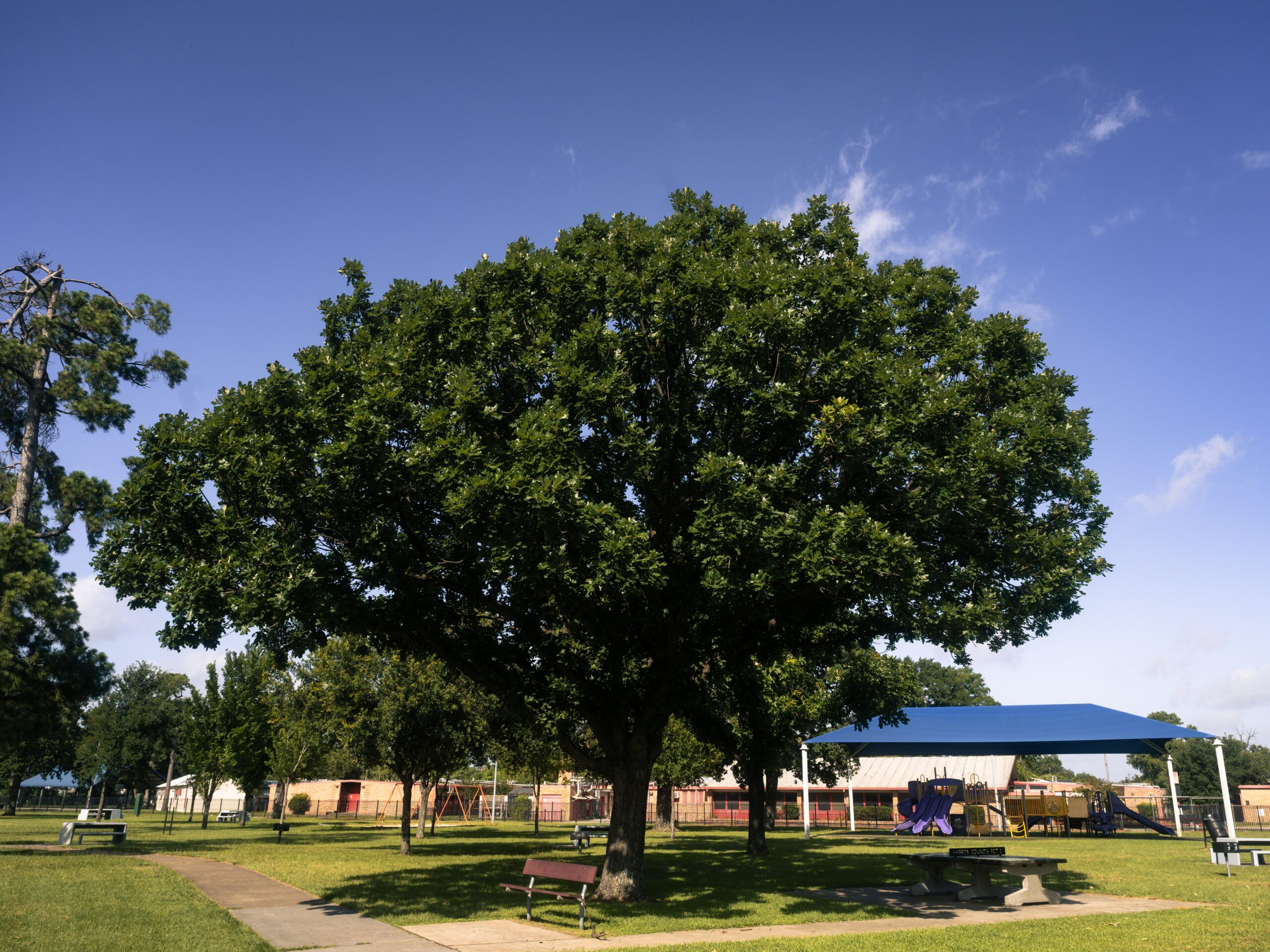
The environmental benefits of healthy trees extend far beyond what most Connecticut homeowners consider when they look at the trees on their property. A well-maintained mature tree is not just a landscape feature — it is a functioning piece of ecological infrastructure. It captures carbon, filters stormwater, cools the surrounding air, supports hundreds of species of insects and birds, and improves the air quality of the neighborhood around it. A neglected, declining, or dead tree delivers a fraction of those benefits — and in some cases, none at all.
Connecticut sits at a critical intersection for tree health. The state has lost significant forest and urban tree cover to development pressure, invasive pests, and storm damage over the past several decades. At the same time, the environmental pressures that trees help mitigate — extreme heat events, intense rainfall, flooding, and urban air quality — are intensifying. Understanding the specific environmental benefits of healthy trees makes the case for proactive tree care in concrete terms, not abstract ones.
1. Carbon Sequestration — Healthy Trees Are Active Carbon Sinks
Trees store carbon in their wood, roots, and surrounding soil through the process of photosynthesis. A healthy, actively growing tree removes carbon dioxide from the atmosphere and converts it into woody biomass — trunk, branches, and roots — where it remains stored for the life of the tree and often beyond, in the form of decomposing wood and soil organic matter.
The quantity of carbon a tree sequesters is directly related to its size, growth rate, and health. A large, vigorous red oak or sugar maple growing in good conditions sequesters significantly more carbon per year than a stressed, declining tree of the same species. A dead standing tree sequesters nothing — and as it decomposes, it releases the carbon stored in its wood back into the atmosphere.
The USDA Forest Service estimates that urban trees across the United States sequester approximately 25.6 million tonnes of carbon annually. In Connecticut, where urban and suburban tree cover is under consistent pressure from development and pest damage, maintaining the health of existing trees is the highest-leverage action available for preserving that carbon storage capacity. This is one of the most significant environmental benefits of healthy trees that property owners directly influence through their maintenance decisions.
Proactive tree health and disease assessment keeps trees in the actively growing, carbon-sequestering condition that delivers maximum climate benefit. A tree treated for pest infestation or structural stress continues sequestering carbon for decades. A tree that dies from a preventable condition and requires removal represents a loss of stored carbon and a gap in the canopy that takes years to replace.
2. Urban Heat Island Reduction — Trees Cool Connecticut Neighborhoods
The urban heat island effect — where developed areas register significantly higher temperatures than surrounding rural land due to heat-absorbing pavement, rooftops, and reduced vegetation — is measurable and growing across Connecticut’s urban and suburban communities. Bridgeport, New Haven, Hartford, and Stamford all experience documented heat island conditions that increase cooling costs, heat stress risk for vulnerable residents, and overall energy demand during summer months.
Healthy trees combat this through two mechanisms. Shade from tree canopies directly reduces surface temperatures by blocking solar radiation from reaching pavement, rooftops, and building walls. Evapotranspiration — the process by which trees release water vapor through their leaves — cools the surrounding air in the same way that evaporating sweat cools the human body. A single mature tree can transpire hundreds of gallons of water per day during peak summer conditions, releasing cooling energy equivalent to several room-sized air conditioners operating continuously.
Studies conducted in urban environments consistently show that neighborhoods with high tree canopy cover register 5–10°F lower ambient temperatures during heat events compared to comparable areas with minimal tree cover. For Connecticut homeowners, this translates directly into reduced air conditioning demand and lower summer energy bills — in addition to the broader neighborhood-scale cooling effect.
Deep root fertilization supports the vigor and canopy density that makes trees effective at both shade provision and evapotranspiration. A sparse, stressed canopy cools far less effectively than a dense, healthy one.
3. Stormwater Management — One of the Most Valuable Environmental Benefits of Healthy Trees
Connecticut has experienced a measurable increase in high-intensity rainfall events over the past two decades. The state’s aging stormwater infrastructure — much of it designed for the precipitation patterns of the mid-twentieth century — is regularly overwhelmed during major storms, leading to flooding, erosion, and combined sewer overflows that discharge untreated wastewater into rivers and Long Island Sound.
Healthy trees are among the most effective stormwater management tools available. A mature tree intercepts rainfall through its canopy — slowing the rate at which water reaches the ground, reducing runoff velocity, and allowing more time for water to infiltrate the soil rather than running off as surface flow. The USDA Forest Service estimates that a single mature tree intercepts between 500 and 760 gallons of rainfall annually through canopy interception alone.
Root systems play an equally important role. Tree roots create macropores — channels in the soil that allow water to move downward rapidly — and the organic matter they contribute over time improves overall soil permeability. A healthy tree growing in good soil can infiltrate stormwater at rates many times higher than compacted bare soil or lawn.
On properties with slopes, stream corridors, or known drainage challenges, maintaining healthy tree cover is a genuine stormwater management strategy. Forestry mulching on overgrown or brushy areas can restore and manage tree cover in these sensitive zones without the erosion risk associated with conventional clearing methods.
4. Air Quality Improvement — Trees Filter Pollutants at the Neighborhood Scale
The environmental benefits of healthy trees include measurable improvements in local air quality through two distinct mechanisms: the physical interception of airborne particulates on leaf surfaces, and the biochemical uptake of gaseous pollutants including nitrogen dioxide, ozone, sulfur dioxide, and carbon monoxide through leaf stomata.
Particulate matter — the fine particles associated with vehicle exhaust, industrial emissions, and combustion that are linked to respiratory and cardiovascular disease — accumulates on the complex surfaces of tree leaves, bark, and stems. Rainfall washes these particles to the ground, where they are incorporated into the soil rather than remaining airborne. Trees with large total leaf surface areas — mature oaks, maples, and elms — are particularly effective particulate interceptors.
Gaseous pollutant uptake occurs during photosynthesis when stomata are open. Ozone, which forms from vehicle emissions in the presence of sunlight and is a significant summer air quality problem across southwestern Connecticut, is absorbed directly through leaf surfaces. The USDA estimates that urban trees in the contiguous United States remove approximately 17.4 million tonnes of air pollutants annually.
This benefit scales directly with tree health and canopy density. Trees under significant stress — drought, disease, pest pressure — reduce stomatal activity to conserve water, simultaneously reducing their capacity to absorb gaseous pollutants. Keeping trees healthy through professional pruning and arborist consultation maintains the canopy function that delivers these air quality benefits.
5. Biodiversity Support — Healthy Trees Are Ecosystems in Themselves
A single healthy native oak tree supports over 500 species of caterpillars and moth larvae, according to research by entomologist Doug Tallamy — more than any other native tree genus in the eastern United States. Those caterpillars are the primary food source for nesting songbirds, which require hundreds to thousands of caterpillars to raise a single clutch of chicks. The ecological web supported by one mature native tree extends through insects, birds, mammals, fungi, and soil organisms in ways that a declining or dead tree simply cannot replicate.
Connecticut’s native tree species — oaks, maples, birches, elms, hickories, dogwoods, and serviceberries — support far more native wildlife than the ornamental and invasive species that have displaced them in many residential landscapes. Maintaining the health of native trees on your property is a direct contribution to regional biodiversity that goes well beyond aesthetics.
This is one of the environmental benefits of healthy trees that is most directly affected by pest management. The hemlock woolly adelgid, which has killed a significant proportion of Connecticut’s eastern hemlock population, eliminates entire habitat structures that support specialist insects, birds, and understory plants dependent on hemlock shade. Early detection and treatment — supported by regular tree health assessments — can preserve individual trees and the ecological communities they support.
6. Soil Health and Erosion Control
Tree root systems hold soil in place on slopes, stream banks, and disturbed ground. The mechanical anchoring effect of roots — particularly the deep, spreading root systems of mature hardwoods — prevents the kind of surface erosion that strips topsoil, increases sediment loading in Connecticut’s streams and rivers, and degrades water quality downstream.
Beyond erosion control, healthy trees continuously improve soil quality through litterfall — the annual deposit of leaves, twigs, bark, and other organic material that decomposes into humus, feeds soil microorganisms, and builds the organic matter content that determines soil’s capacity to hold water and nutrients. A mature tree drops hundreds of pounds of organic material per year. Over decades, this litterfall builds the deep, biologically active soil that supports not only the tree itself but the entire plant community growing in its influence zone.
Removing trees from slopes without replacement — particularly common during development — dramatically increases erosion rates and reduces the soil quality of the surrounding area for years afterward. Where clearing is necessary for development or property management purposes, land clearing approaches that preserve mature trees and significant root systems wherever possible minimize long-term soil and erosion impacts.
7. Noise Reduction and Psychological Wellbeing
The environmental benefits of healthy trees include measurable noise attenuation — a benefit that is quantifiable but frequently overlooked. Dense tree plantings, particularly those combining multiple layers of canopy and understory vegetation, can reduce noise levels by 5–10 decibels — a reduction perceptible to the human ear as roughly halving the apparent loudness of traffic, mechanical, and ambient urban noise.
The psychological benefits of proximity to trees and natural vegetation are extensively documented in public health research. Studies consistently show that access to green space and mature trees reduces stress hormone levels, improves reported wellbeing, accelerates recovery from illness, and reduces rates of anxiety and depression in urban populations. Connecticut communities with higher urban tree canopy consistently score better on measures of resident satisfaction and quality of life.
These benefits are not delivered by struggling, declining, or dead trees. They require the presence of healthy, full-canopied specimens — which is an argument for investment in tree care rather than a passive assumption that trees will maintain themselves.
8. Water Quality Protection in Connecticut’s Watersheds
Connecticut’s drinking water supply depends significantly on the health of forested and tree-covered watersheds that feed the state’s reservoirs. Trees in these watersheds filter nutrients and contaminants from precipitation before they reach surface water, reduce sediment inputs from erosion, and moderate stream temperatures by shading watercourses — a critical function for cold-water fish species including brook trout.
The filtration function is one of the most direct environmental benefits of healthy trees for Connecticut residents specifically. The Metropolitan District Commission, which supplies water to Hartford and surrounding communities, and the South Central Connecticut Regional Water Authority both manage their supply watersheds partly through active forest stewardship — maintaining tree health as a water quality intervention.
At the property level, trees along stream corridors, wetland edges, and drainage swales provide localized versions of the same watershed function — filtering runoff before it reaches waterways, stabilizing banks against erosion, and shading streams that would otherwise warm to temperatures incompatible with aquatic life. Our brush and debris removal and forestry mulching services handle riparian zone management in ways that preserve the tree cover providing these water quality benefits.
Maintaining Trees for Maximum Environmental Benefit
The environmental benefits of healthy trees are not passive. They scale with tree health — and they require active management to sustain. A tree that is stressed by drought, pest infestation, disease, or structural damage delivers a reduced version of every benefit described above. A dead tree delivers none of them.
The most effective investments in tree health for Connecticut property owners are also the most straightforward: regular professional inspection and pruning, soil health management through fertilization and aeration, pest and disease monitoring, and prompt removal of dead or hazardous trees followed by replanting with appropriate species.
Storm preparation assessments before hurricane season identify trees at risk of failure that would eliminate significant canopy from the property. Emergency tree removal after storm events clears damaged material quickly and safely so that remaining trees are not further compromised. Together, these services protect the environmental infrastructure that mature trees represent — infrastructure that took decades to grow and cannot be quickly replaced.
Contact Erick’s Tree Service to schedule a professional tree assessment, or learn more about our deep root fertilization and tree health and disease assessment services across Connecticut.
Erick’s Tree Service — safe, reliable, and professional tree care for residential and commercial properties across Connecticut.