Take Down Dangerous Trees Before They Fall
35+ Years Experience — 1,000+ CT projects completed
24/7 Emergency Response — fast, safe storm cleanup
Free Estimates — licensed, insured & warrantied



Professional Hazardous Tree Removal Across Connecticut
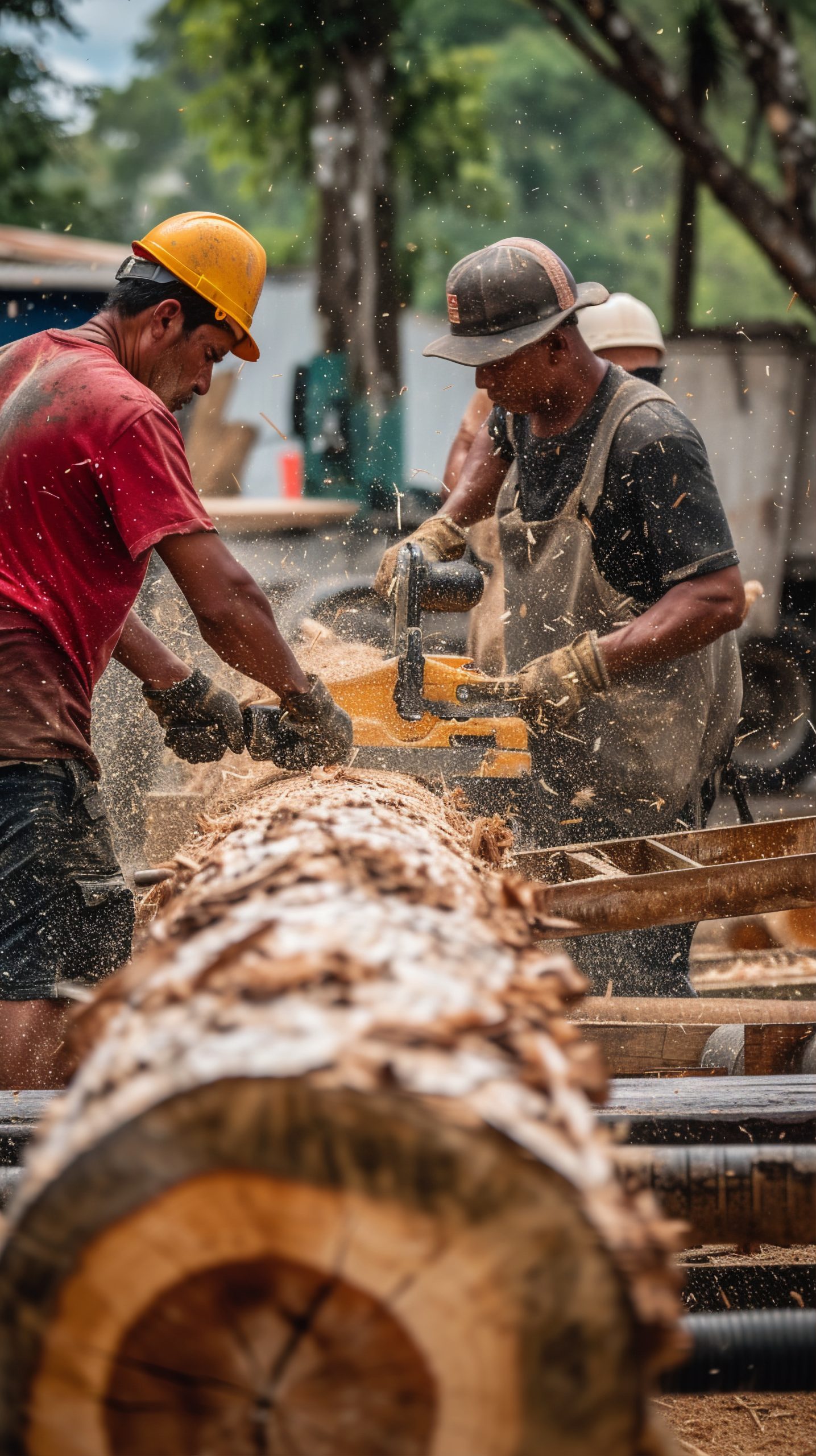
Hazardous tree removal is the urgent assessment and removal of a tree that poses an active, identifiable risk of failure, meaning it could fall, shed major limbs, or cause structural damage to property or injury to people without further warning. Hazardous trees are categorized not just by their condition, but by the combination of that condition and the presence of targets, people, structures, or property in the tree’s potential failure zone.
At Erick’s Tree Services, hazardous tree removal is treated as the highest-priority work we do. A hazardous tree is not a standard removal job on a flexible schedule, it is a situation where delay increases the probability of a serious outcome. Our certified arborists are trained in ISA Tree Risk Assessment methodology, equipped to respond quickly across Connecticut, and experienced in removing trees in the most dangerous and technically demanding conditions in arboriculture.
Whether the hazard is a storm-damaged tree leaning against your home, a dead tree over a child’s play area, a root-failed tree on a public sidewalk, or a structurally compromised tree identified during a property inspection, Erick’s Tree Services has the crew, the equipment, and the expertise to eliminate the risk safely and promptly.
Why Choose Erick’s Tree Services for Hazardous Tree Removal in Connecticut?

WHAT WE CAN DO FOR YOU
When Erick’s Tree Services responds to a hazardous tree situation in Connecticut, here is the full scope of what we provide:
Urgent Hazard Assessment — Our first step on every hazardous tree call is a thorough risk assessment, not a quick glance. We evaluate the tree’s structural condition, root zone integrity, lean angle, decay presence, and proximity to targets (people, structures, utilities, vehicles) to establish the actual risk level and determine the safest removal approach before any work begins.
Dead Tree Removal — Dead trees are among the most common and underestimated hazards on Connecticut properties. A tree that appears structurally intact from the outside may have advanced internal decay throughout the trunk and major limbs. Dead trees shed branches unpredictably and can fail completely in wind events that pose no risk to living trees. We remove dead trees using techniques matched to their specific state of decay and structural condition.
Storm-Damaged Tree Removal — Connecticut’s Nor’easters, ice storms, and summer thunderstorms create a predictable category of hazardous tree situations, partially failed trees, crown-snapped trunks, root-plate lifts, and major limbs lodged in the canopy. We respond to storm damage calls 24/7 and prioritize situations where the damaged tree is in contact with or actively threatening a structure.
Leaning Tree Removal — A tree that has begun leaning toward a structure, particularly one whose lean has increased recently or that shows root zone disturbance on the upwind side, is an active hazard that warrants prompt removal. We assess the lean, root condition, and soil stability before approaching and use techniques appropriate to the specific failure mode present.
Hung-Up Limb Removal — A large limb that has broken but remains lodged in the canopy, called a “widow maker”, is one of the most dangerous single hazards in tree care. Hung limbs are under unpredictable tension and can release suddenly. Our arborists use specific techniques to dislodge and control hung limbs safely, without placing themselves or the ground crew under the potential fall path.
Mitigates Public Safety Risks
Eco-Friendly Solutions
Pest Control
Guide to Potential Environmental Issues
Certified Staff
Responsible Tree Trimming and Removal
Active Collaboration with Homeowners
Residential and Commercial Services
How Does Hazardous Tree Removal Work in Connecticut?
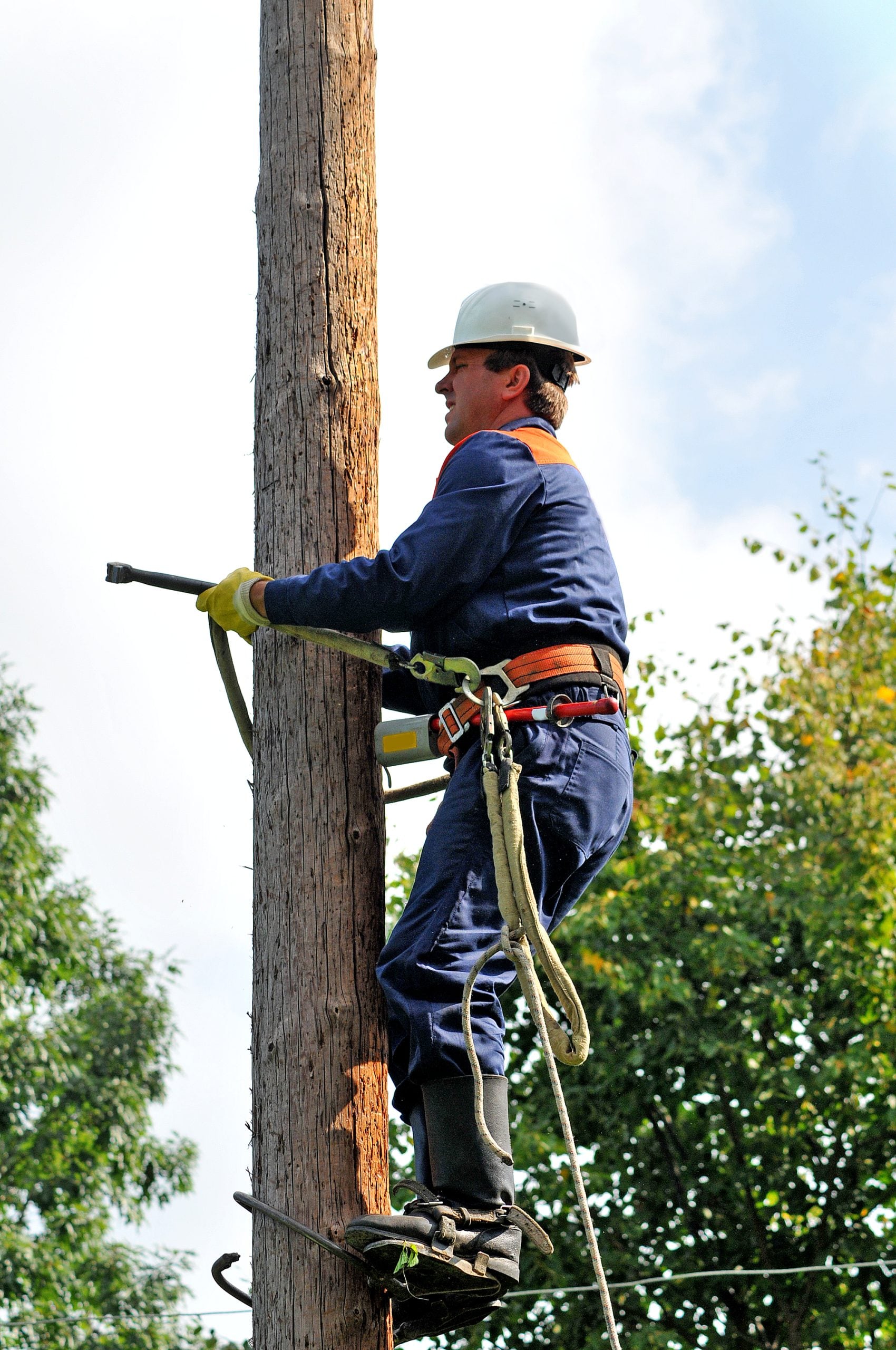
Hazardous tree removal follows a more deliberate and safety-intensive process than routine tree removal. Here is how Erick’s Tree Services approaches every hazardous removal:
Emergency Contact & Response — When you call with a hazardous tree concern, we prioritize based on the situation you describe. For trees in contact with structures, actively leaning, or following a storm event, we respond same-day or within hours. We arrive with a full crew and the equipment appropriate to the situation described.
Thorough On-Site Risk Assessment — Before anyone approaches the tree, our certified arborist conducts a ground-level assessment, evaluating the tree’s condition, failure mode, potential failure path, and proximity to targets. This step determines how the removal is approached and what equipment is required. We never skip this step regardless of time pressure.
Exclusion Zone Establishment — We establish and maintain an exclusion zone around the hazardous tree keeping all non-essential personnel clear of the potential failure path and drop zone throughout the operation. For trees over structures, we coordinate with the occupants regarding safe areas of the building during the work.
Controlled Removal — The removal proceeds section by section, with the arborist and ground crew communicating throughout. Every cut is planned; every section is controlled before and after it separates from the tree. For trees in contact with structures, we work methodically to reduce the load on the structure progressively rather than all at once.
Site Clearance & Cleanup — Once the hazard is eliminated, all debris is processed and removed. For trees that were in contact with structures, we assess the structure for any damage caused by the tree before finalizing the cleanup. We provide documentation of what was found and removed for insurance purposes if requested.
What Does Hazardous Tree Removal Cost in Connecticut?
Hazardous tree removal in Connecticut typically costs $500 to $4,000+ per tree for standard hazardous situations, with additional costs for crane assistance, emergency response, or over-structure removals.
Hazardous trees require more pre-work assessment, more conservative and deliberate removal techniques, larger crews, and often specialized equipment (crane, aerial lift, or additional rigging) to manage a tree that cannot be treated as a standard removal. The premium reflects real additional risk, planning, and resource requirements. Attempting to save money by hiring a less-experienced or uninsured company for a genuinely hazardous tree is one of the costliest decisions a Connecticut property owner can make.
How Urgently Does a Hazardous Tree Need to Be Removed in Connecticut?
Not every hazardous tree needs to come down today, but some do. Here is how to gauge urgency:
The tree is already in contact with a structure or power line
The root plate has visibly lifted on one side
The tree has cracked or split in the last 24–48 hours
A large limb is hung up in the canopy directly over an occupied area
The tree was hit by lightning and is within fall distance of a structure or frequently occupied area
Fungal conks have recently appeared on a tree over or near a structure
TREE EMERGENCY? WE’RE READY TO HELP.
Real Projects, Real Results
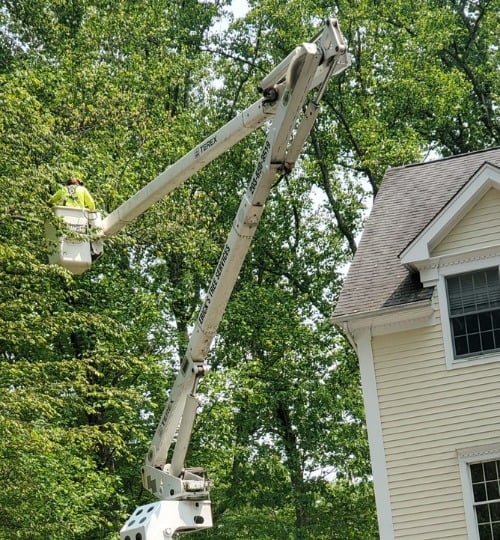
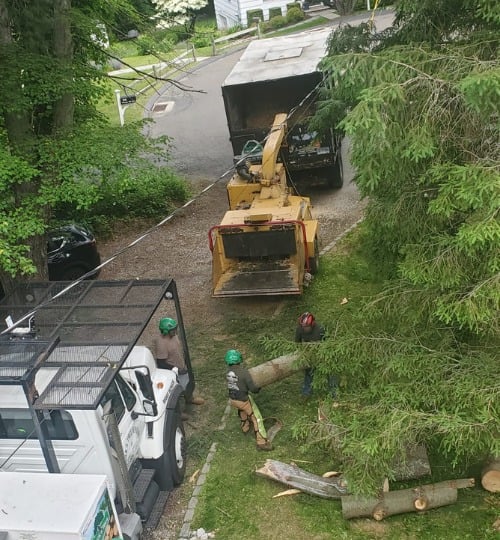
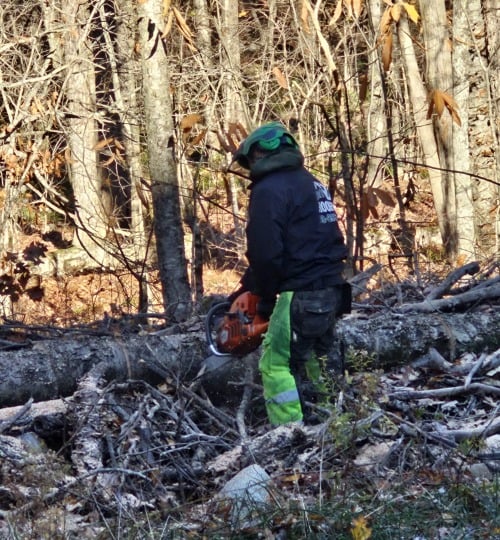
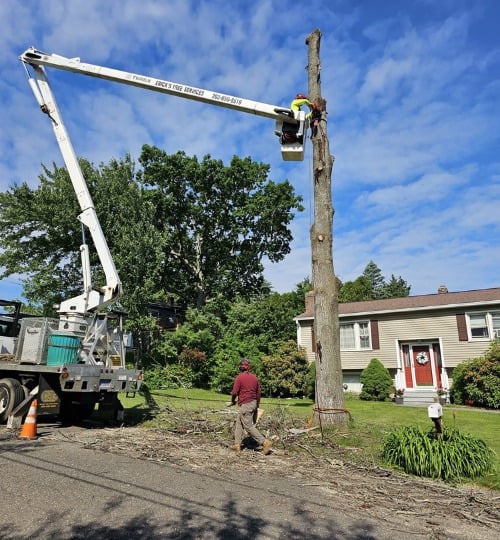
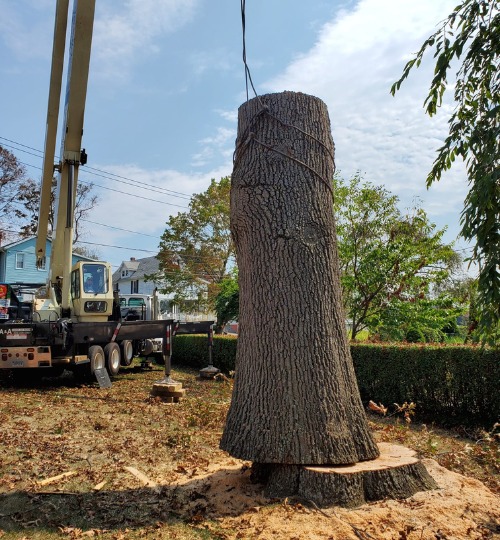
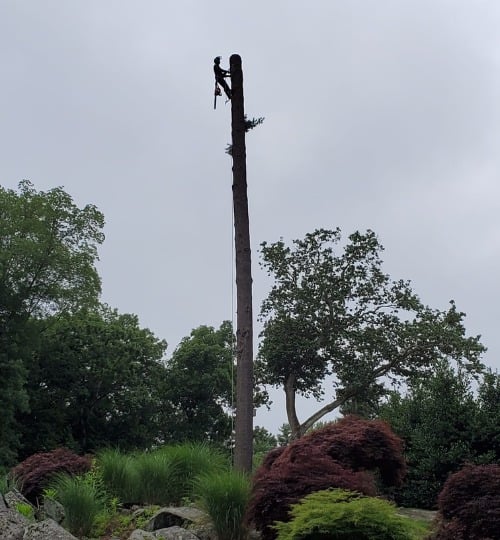
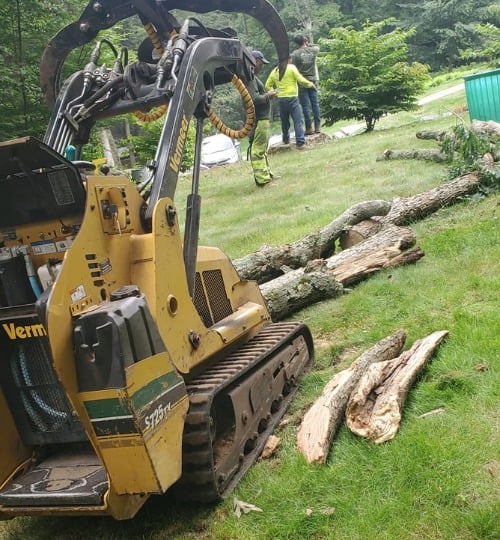
What Our Customers Are Saying


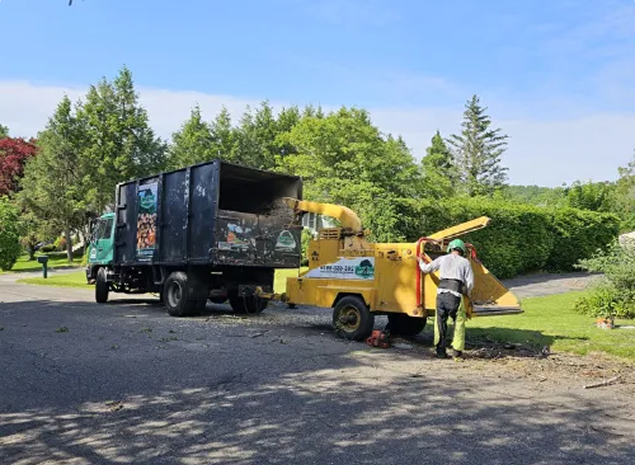
Discover Our Tree Services Coverage Across the Connecticut Area
We Serve In The Following Areas:
Norwalk
Stamford
Fairfield
Bridgeport
Westport
Surrounding Areas in Connecticut
Common Questions
Questions?
We’re here to help
Everything you need to know about our tree removal Connecticut services.
A tree is considered hazardous when it has a structural defect or condition that increases the probability of failure, and there are people, structures, or property in the area that would be affected if it did fail. A dead tree in a remote corner of a large lot is lower hazard than the same tree over a driveway. Hazard is always assessed as the combination of the tree’s condition and the value and frequency of what is below it.
Remove immediately if: the tree is already in contact with a structure or power line; the root plate has visibly lifted; the trunk has cracked or split recently; or a large limb is hung in the canopy over an occupied area. For all other situations, visible decay, lean, or recent storm damage, call for a professional hazard assessment. Our arborists provide same-day assessments for urgent situations across Connecticut.
Sometimes. Trees rated as Moderate risk under ISA methodology can often be managed through targeted pruning, cabling and bracing, or a combination of both, reducing the probability of failure without removal. Trees rated High or Extreme risk, or trees where the structural defect is too severe for support systems to address reliably, require removal. Our arborists will always tell you honestly whether mitigation is a viable alternative in your specific situation.
Potentially yes. In Connecticut, property owners have a legal duty to address known hazardous trees on their property. If a tree you knew — or reasonably should have known — was hazardous falls and causes damage to a neighboring property or injury to a person, you may face civil liability. A formal arborist hazard assessment documents your awareness and response, which is important both for managing risk and for insurance purposes.
Standard homeowners insurance policies in Connecticut generally do not cover the cost of removing a hazardous tree that has not yet fallen. However, if the tree falls and damages a covered structure: your home, garage, or fence; the structural damage and sometimes the cost of removing the tree from the structure may be covered depending on your policy. A formal written hazard assessment report is important documentation if an insurance claim follows a tree failure. Check your specific policy for terms.
An ISA Tree Risk Assessment is a standardized professional evaluation performed by an arborist with ISA Tree Risk Assessment Qualification (TRAQ) credentials. It documents the tree’s structural condition, identifies defects, assesses failure probability and consequence, and assigns a formal risk rating. You need a formal written assessment — not just a verbal opinion — when documentation is required for insurance claims, legal proceedings, property transactions, municipal permits, or HOA records.
For genuine emergencies such as trees in contact with structures, root failures, or post-storm situations with active risk; we target same-day response across our Connecticut service area. In most cases, we can have an arborist on-site within hours of your call. For urgent but non-immediate situations, we typically schedule within 24 to 48 hours. Call our emergency line at (203) 650-8519 for after-hours situations.
Get A Free Tree Inspection.
No call out fee!
Need professional tree removal, pruning, stump grinding, emergency storm cleanup, or expert tree care services?
Fill out the form below and our experienced team will review your request and get back to you with a fast, no-obligation estimate tailored to your property needs.
We provide safe, reliable, and professional tree services for residential and commercial properties — always focused on safety, efficiency, and quality workmanship.
Whether you need routine maintenance, hazardous tree removal, or emergency assistance, Erick’s Tree Service is here to help protect and improve your landscape year-round.