
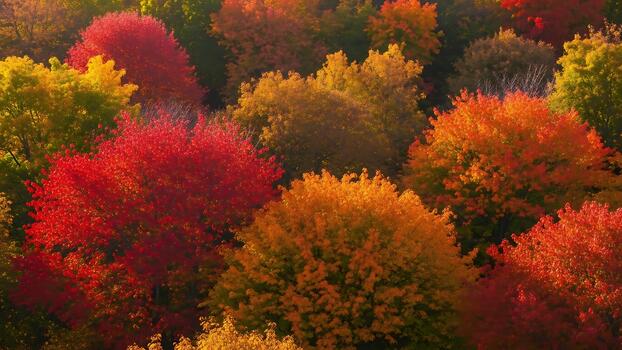
Few things capture the beauty of autumn quite like vibrant fall foliage. As temperatures cool and daylight hours shorten, trees transform landscapes with brilliant shades of red, orange, yellow, and purple. For many homeowners, these colorful displays are one of the most anticipated parts of the season.
If you’re looking to enhance your yard with breathtaking autumn color, choosing the right trees can make all the difference. Here are 10 of the best trees for fall color that will bring seasonal beauty and lasting value to your landscape.
1. Sugar Maple
When people think of spectacular fall foliage, sugar maples are often the first trees that come to mind. Famous for their brilliant autumn displays, these trees can showcase shades of bright yellow, fiery orange, deep red, or even a combination of colors on a single tree.
Growing Conditions:
- Full sun to partial shade
- Well-drained, moderately moist soil
Sugar maples are an excellent choice for homeowners seeking classic fall beauty.
2. Red Maple
The red maple earns its name year-round, displaying red buds, flowers, stems, and spectacular fall foliage. In autumn, its leaves turn vibrant shades ranging from orange-red to brilliant crimson.
Growing Conditions:
- Adaptable to various soil types
- Full sun to partial shade
Because of its adaptability and striking color, the red maple remains one of the most popular landscape trees.
3. River Birch
If golden-yellow foliage is your favorite autumn color, the river birch deserves a spot in your landscape. Its bright yellow leaves pair beautifully with its distinctive peeling bark, creating visual interest throughout the year.
Growing Conditions:
- Moist to wet soils
- Full sun to partial shade
River birches are particularly useful in areas with poor drainage where other trees may struggle.
4. Black Tupelo (Black Gum)
Black tupelo is one of the most reliable trees for vibrant and varied fall color. It often displays multiple shades simultaneously, including yellow, orange, red, purple, and scarlet.
Growing Conditions:
- Moist, well-drained soil
- Full sun to partial shade
In addition to its fall beauty, its spring flowers provide valuable nectar for pollinators such as bees.
5. American Beech
The American beech is known not only for its beautiful yellow and orange foliage but also for its extended autumn display. Unlike many trees, beech leaves often remain attached well into late fall and even winter.
Growing Conditions:
- Well-drained soil
- Slightly acidic conditions
- Consistent moisture
Its smooth silver-gray bark adds year-round ornamental value.
6. Sassafras
Sassafras trees offer one of the most diverse fall color palettes available. Their leaves can display shades of yellow, orange, red, scarlet, and deep purple.
Growing Conditions:
- Moist, well-drained acidic soil
- Full sun to partial shade
The tree’s aromatic leaves and unique appearance make it a favorite among homeowners and nature enthusiasts alike.
7. Quaking Aspen
Few trees symbolize autumn in the western United States like the quaking aspen. Vast stands of aspens transform mountainsides into brilliant displays of gold and yellow every fall.
Growing Conditions:
- Cool climates
- Moist, acidic soil
- Full sun
Their fluttering leaves create a soothing sound that adds to their visual appeal.
8. Shumard Oak
For rich, deep-red fall foliage, the Shumard oak is hard to beat. This large, long-lived oak develops glossy green leaves during summer that turn a stunning crimson-red in autumn.
Growing Conditions:
- Adaptable to various soil conditions
- Tolerates drought and urban environments
- Full sun
Its resilience makes it an excellent choice for residential and city landscapes.
9. Sourwood
Homeowners with smaller properties often appreciate the sourwood tree for its manageable size and exceptional fall color. Its foliage turns brilliant shades of crimson, red-purple, and occasionally golden yellow.
Growing Conditions:
- Slightly acidic, well-drained soil
- Full sun to partial shade
The tree also produces fragrant summer flowers that attract pollinators.
10. Burning Bush
While technically a shrub rather than a tree, burning bush deserves recognition for its unforgettable fall display. As autumn arrives, its foliage transforms into a vivid, fiery red that stands out in any landscape.
Growing Conditions:
- Well-drained soil
- Sun or partial shade
- Adaptable to most soil types
Its low-maintenance nature makes it a popular landscaping choice.
Why Do Leaves Change Color in the Fall?
The spectacular colors of autumn are part of a deciduous tree’s natural life cycle.
During spring and summer, leaves contain large amounts of chlorophyll, the green pigment responsible for photosynthesis. As daylight decreases and temperatures cool, chlorophyll production slows and eventually breaks down.
This process reveals pigments that were hidden beneath the green color:
- Yellow and orange hues come from carotenoids that are present in leaves throughout the growing season.
- Red and purple shades develop when sugars become trapped in leaves and react to produce anthocyanin pigments.
The result is the stunning display of fall colors that makes autumn one of the most beautiful seasons of the year.
How to Maintain Vibrant Fall Tree Colors
Healthy trees consistently produce stronger and more vibrant fall foliage. To maximize autumn color, consider the following tree care practices:
- Water trees during periods of drought.
- Apply mulch to conserve soil moisture.
- Improve soil health with organic matter and proper fertilization.
- Prune dead or damaged branches regularly.
- Monitor for pests and diseases before they impact tree health.
Trees that receive proper care throughout the year are better equipped to produce brilliant seasonal color.
Bring More Color to Your Landscape This Fall
Whether you prefer the fiery reds of a sugar maple, the golden glow of a quaking aspen, or the multi-colored brilliance of a black tupelo, the right tree can transform your yard into a breathtaking autumn showcase.
By selecting trees known for exceptional fall foliage and providing proper care year-round, you can enjoy vibrant seasonal color and enhance the beauty of your landscape for decades to come.